
Local Youth Actions for the SDGs and Beyond
International Youth Day, observed on August 12, is a time to celebrate young people stepping into their own leadership. Faced with complex global challenges such as rising inequality, climate change and persistent hunger, youth are leading change in their communities. This mobilization of young people is not only essential for building a better future but also directly advances the Sustainable Development Goals (SDGs). Their leadership stands as a testament to their resilience, creativity, and unwavering commitment to a more just and equitable world. As innovators, problem-solvers and advocates, youth use their unique perspectives to forge new paths and inspire change
Did you know?
- 1.8 billion young people aged 10–24 make up nearly a quarter of the global population.
-
Over 70% of sub-Saharan Africa’s population is under 30.
-
One in four young people worldwide lack education, employment, or training, deepening inequality.
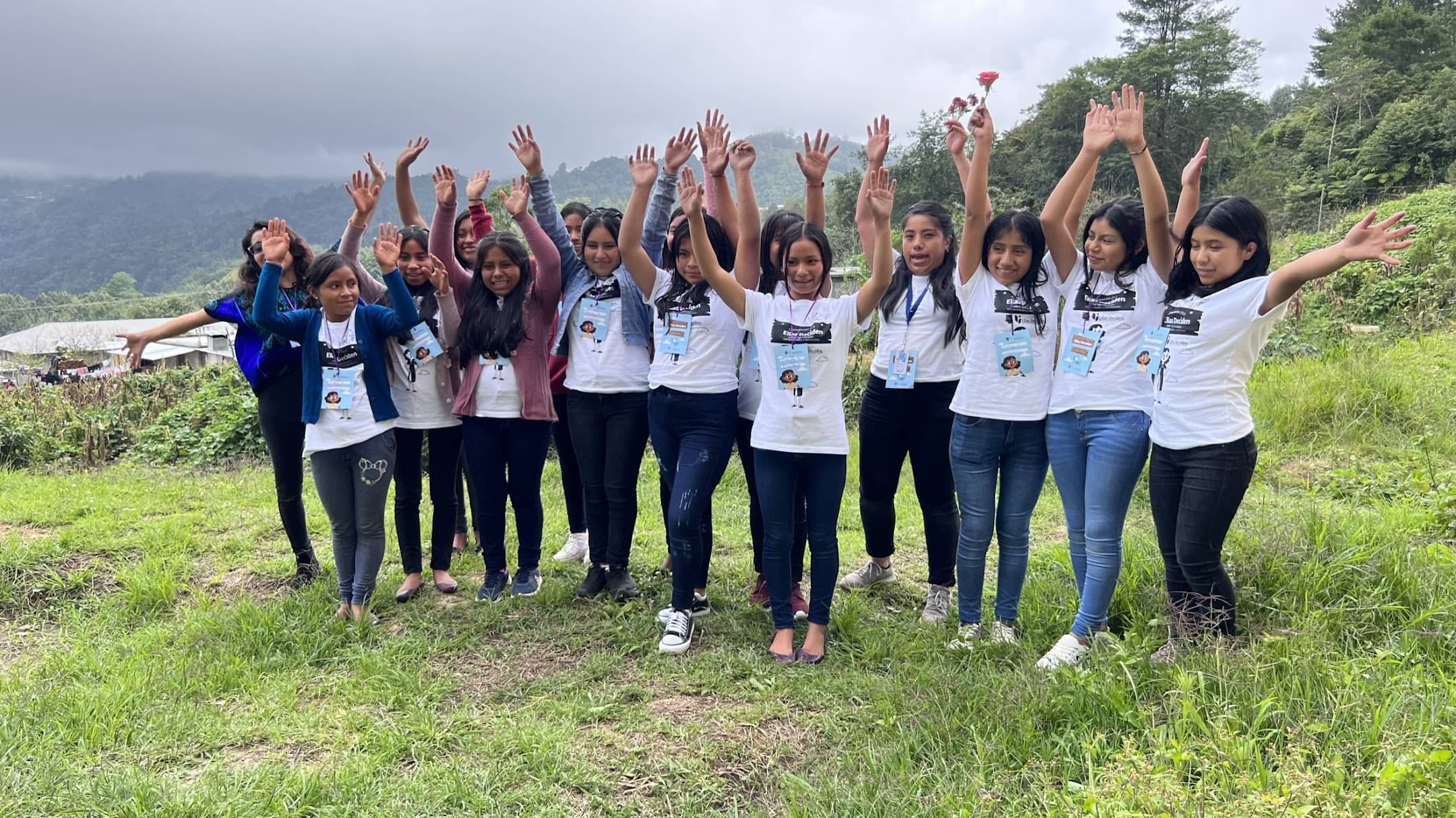
Ellas Deciden participants in Mexico, 2023 © The Hunger Project
At the same time, more than 673 million people around the world experienced chronic hunger in 2023.
As the global community strives to achieve the 2030 Sustainable Development Goals, the role of youth is not symbolic, it is central. Without inclusive and meaningful youth participation, there can be no sustainable progress on hunger, poverty or climate justice.
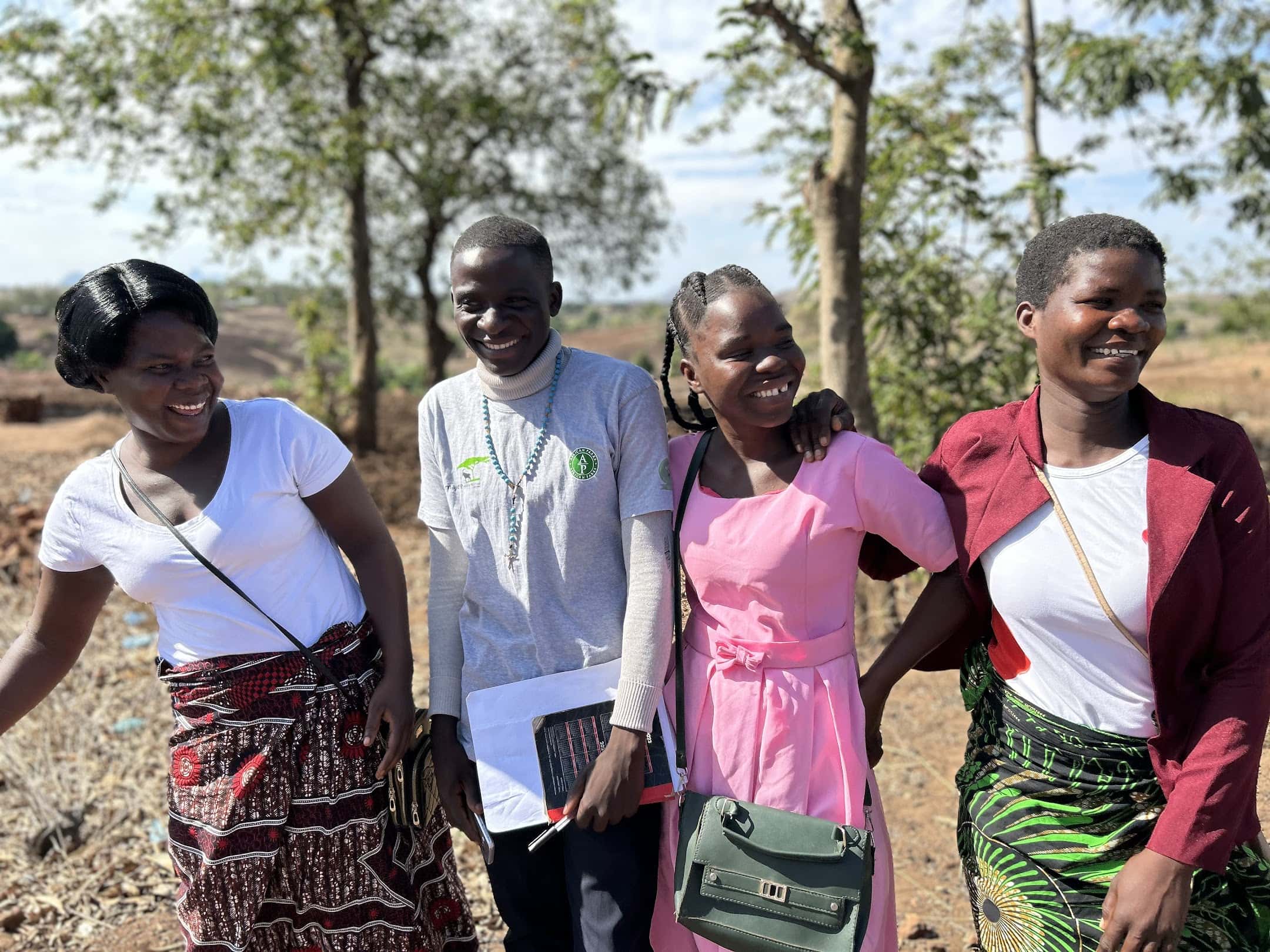
Community Leaders (left to right): Alinafe, Promise, Charity and Enasia in Malawi, 2025 © The Hunger Project
Youth at the forefront of change.
The next generation is stepping up to lead the way in systems transformation. The Hunger Project works with young leaders from Africa, Asia and Latin America who are driving real change in their communities. Through innovative programs they’ve created themselves, these youth catalysts are tackling critical issues like hunger, digital access, entrepreneurship and climate resilience, demonstrating the power of youth-driven solutions.
Sowing Resilience
Young farmers in Malawi are leading regenerative agriculture efforts,introducing sustainable crop practices that improve soil health and increase yields. This model, powered by youth leadership training and local mentorship, is enabling participants to convert subsistence plots into thriving mini-enterprises. Hear from Gelson, a young entrepreneur.
Education and Empowerment
In rural India, the Sukanya Club serves as a powerful platform for adolescent girls to develop skills, leadership, and confidence. Neeta, a 17-year-old club member, learned tailoring through the program and now earns a steady income while continuing her education. The girls also came together to successfully petition local authorities for the installation of three solar-powered streetlights, significantly improving safety in their village. Additionally, the club established kitchen gardens across multiple communities, providing fresh produce that enhanced nutrition and supported family wellbeing. Through these initiatives, the Sukanya Club is fostering youth-led empowerment that transforms education, safety and health outcomes for young women and their communities. Hear from young girls like Neeta.
Cultivating Food Security
In Vowodogo, Burkina Faso, a young man named Doauda is addressing food insecurity through agricultural innovation. In partnership with The Hunger Project-Burkina Faso and the Church of Jesus Christ of Latter-Day Saints, Daouda participated in hands-on training to cultivate a specific type of sweet potato rich in vitamin A, an essential nutrient. The training focused on improving yields and promoting sustainable farming practices. By applying his new skills, Daouda took improved sweet potato cuttings and, with support from THP technical staff, began to cultivate a more resilient and food-secure future. His story illustrates what it means to invest in youth: it’s about empowering young people to become the heroes of their own journey and to plant the seeds of change themselves.
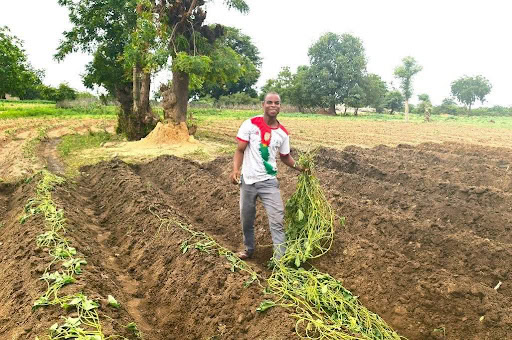
Doauda on his farm in Burkina Faso, 2025 © The Hunger Project
Sustainable Development
Across Senegal, young people like Demba and Yaye have become catalysts for change. At 29, Demba, a volunteer teacher, mobilized a group of 30 young people to organize beach clean-ups and raise awareness about waste management. Demba, the youth representative on the village committee, took action by applying his training in citizenship, governance, and conflict management. His efforts strengthened his ability to advocate for youth and ensure their voices were a key part of local discussions. The story of 35-year-old Yaye, a long-time community leader, also showcases the power of youth. She coordinates a group of more than 40 young people and, as head of the village committee, received numerous trainings that helped her organize community meetings and support women in launching income-generating activities. She embodies the hope of development driven by young people, for young people, with women at the heart of the action.
School Nutrition Clubs
In Ethiopia, School Nutrition Clubs are supporting the health and dignity of students, especially girls. These clubs are student-led platforms where members learn to promote healthy behaviors and advocate for their needs. For example, through the Right2Grow project, students like Fetiya and Lensa used their club to advocate for better hygiene facilities. Their efforts led to the creation of Menstrual Hygiene Management (MHM) rooms in Geresu Primary School. With a dedicated hygiene room and access to clean water, girls can now manage menstruation safely and privately, enabling them to remain in school and actively participate in club activities. By empowering students to take action, the clubs are playing a critical role in reducing dropout rates and promoting inclusive, gender-sensitive education.
Feature image: Adolecents Girls Program in India, 2024 © The Hunger Project