August 12 is International Youth Day, a time to recognize the leadership and imagination of young people shaping fairer, more sustainable, and food-secure futures in their communities. This year’s theme, “Different Contexts, Common Aspirations,” reflects a truth we see every day: young people live in different realities, but they share a common hope for dignity, opportunity, meaningful participation and a future where everyone can thrive.
For too many young people around the world, the future feels decided. The future looks like a life of undernourishment, unemployment or needing to leave home for a city that may not have good economic opportunities. For girls, it too often means marrying young and starting a family.
This is not a failure of ambition. It is a failure of permission.
At The Hunger Project, what we do—at our best—is create the space for a different possibility. We don’t hand young people a plan. We help them see that they are allowed to write one. That the life they inherited is not the only life available to them. That the opportunity they cannot yet picture might still be theirs to build.
Creating this space of opportunity and vision is critical to creating a world without hunger. The world is home to nearly 1.2 billion young people aged 15 to 24, making it the largest generation of youth to date. By 2050, 69% of the world’s youth will be living in low- and lower-middle-income countries, compared to 59% in 2025.
This cohort could be the generation to end hunger for good. It’s up to us to ensure that they know they can do it.
Building Beyond Tomorrow: Youth Leading Local Change
Empowered and mobilized youth are shaping the decisions that affect their lives and communities and advancing global goals like the Sustainable Development Goals (SDGs). As the architects of a more just and equitable future, young people everywhere are proving that when they have the opportunity to lead, stronger, more resilient communities follow.
Did you know?
- Over 500 million youth live in underdeveloped rural areas – 69% rely on agriculture for their survival.
- The youth population in sub-Saharan Africa is expected to reach nearly 400 million by 2050.
- The unemployment rate of youth (aged 15-24) globally is around 13%.
Even as we see a decline in hunger, 645 million people around the world still live in conditions of hunger.
For young people, creating a life without hunger goes beyond meeting their immediate nutrition needs. It is about having the skills, information, confidence and opportunities to shape food-secure futures in their own communities.
Youth Powering Resilient Futures
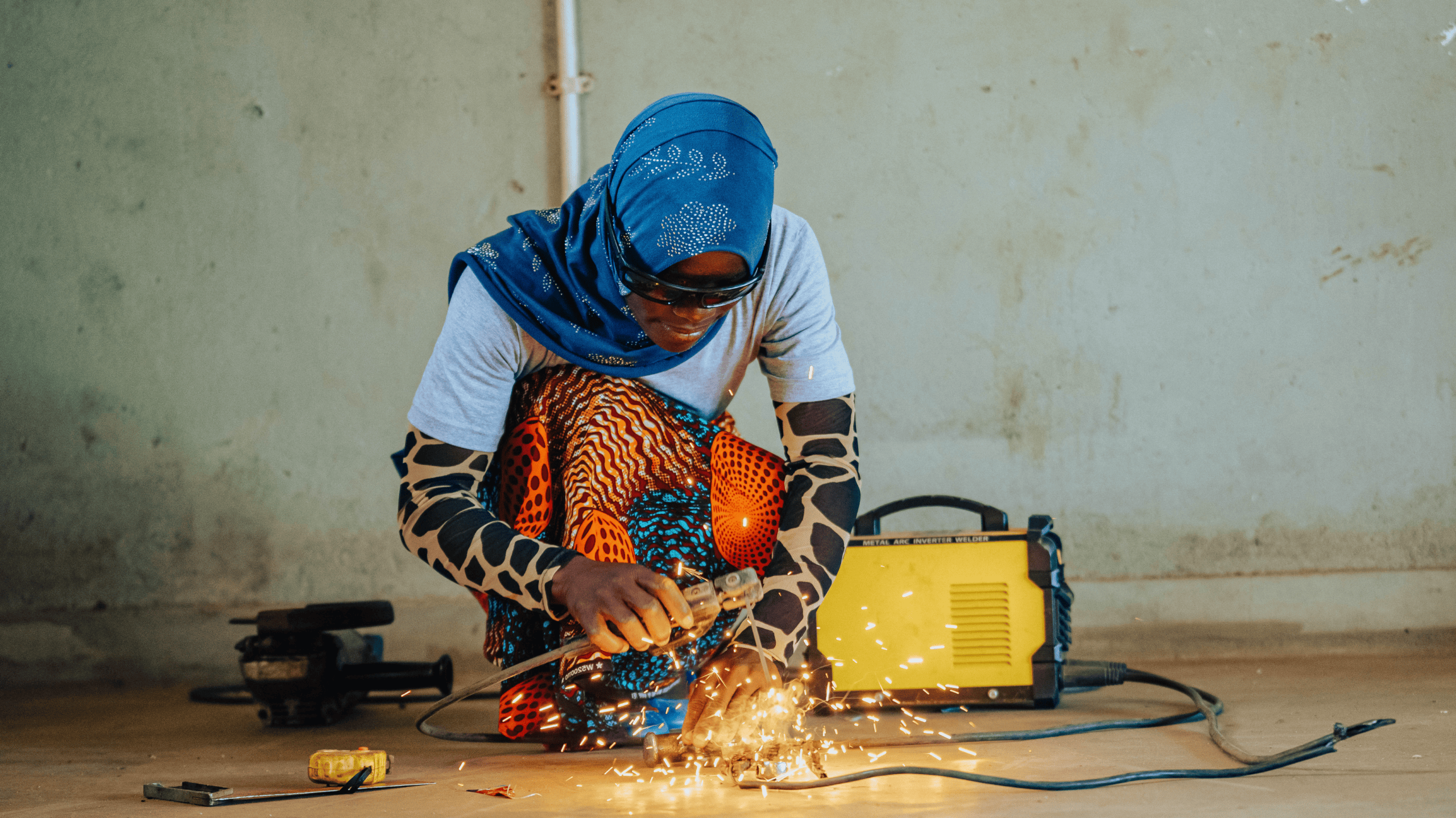
Across The Hunger Project’s global network, young people are building leadership skills, engaging in civic life, adopting new tools and practices, and creating pathways for stronger livelihoods. Their stories show how access to information, training and space to participate can help turn possibility into lasting local change.
“We do not want to inherit a world without hunger. We want to be the generation that builds it. – Houéfa Hermone Mahulikponto, on behalf of The Hunger Project Youth Council
Building a Stronger Supresu
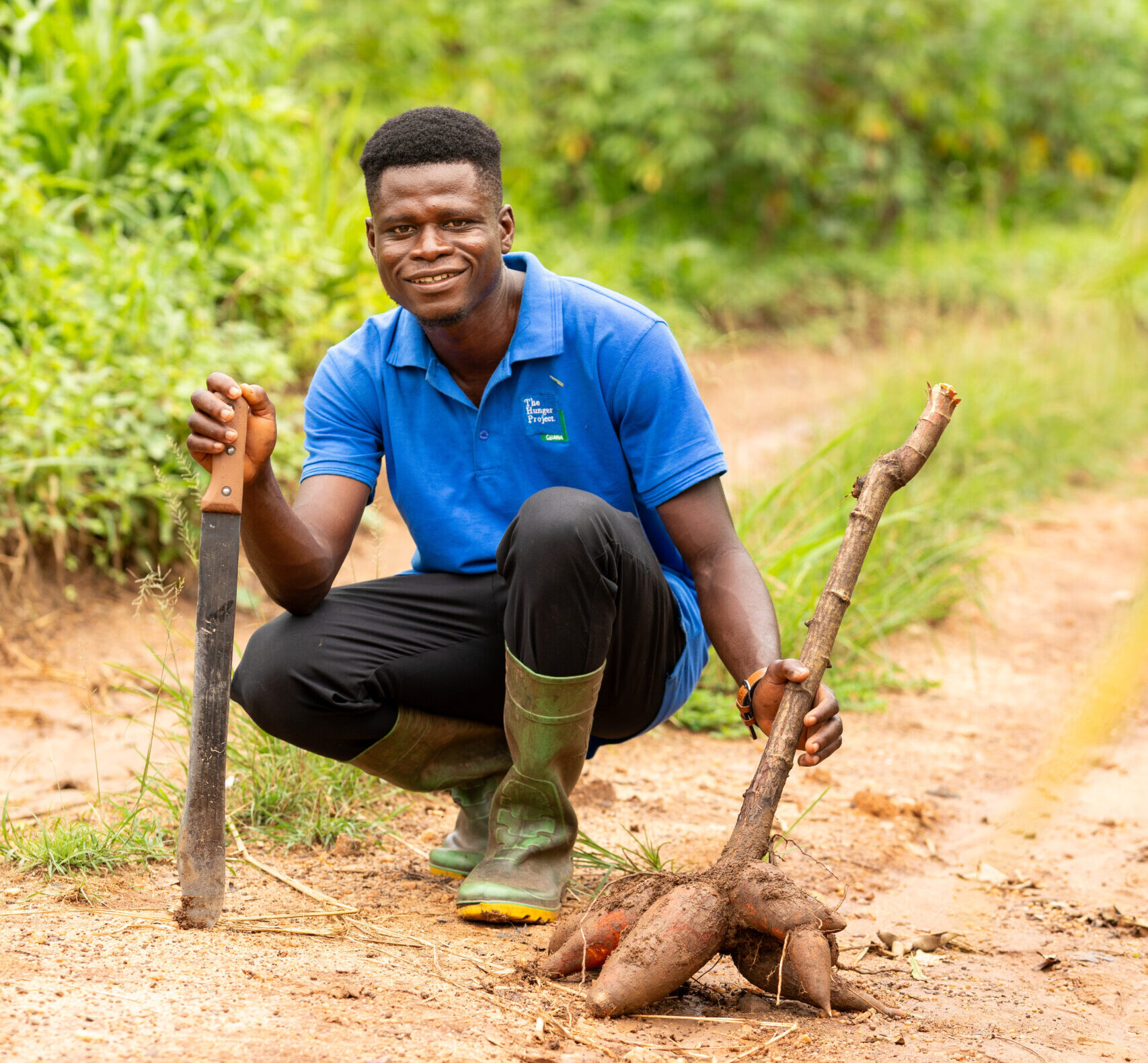
Every community needs people who are willing to serve without expecting anything in return. In Supresu, a village in Eastern Ghana, one of those people is Joel. He has spent the past four years serving as an Animator with The Hunger Project.
For Joel, the success of Supresu Epicenter is closely tied to his own future. Whether he is mobilizing residents for a community meeting, sharing agricultural knowledge with farmers, or encouraging young people to become involved in community activities, Joel sees leadership as an opportunity to help others succeed.
“The whole community is happy,” Joel says. “The young people are happy because there are always opportunities to learn.”
Through The Hunger Project-Ghana’s Youth Entrepreneurship and Agribusiness Program, he participated in workshops on business planning and began thinking of farming as a business with the potential to grow.
Today, he has established nearly five acres of oil palm, reinforcing something he already believed: young people can build successful futures within their own communities.
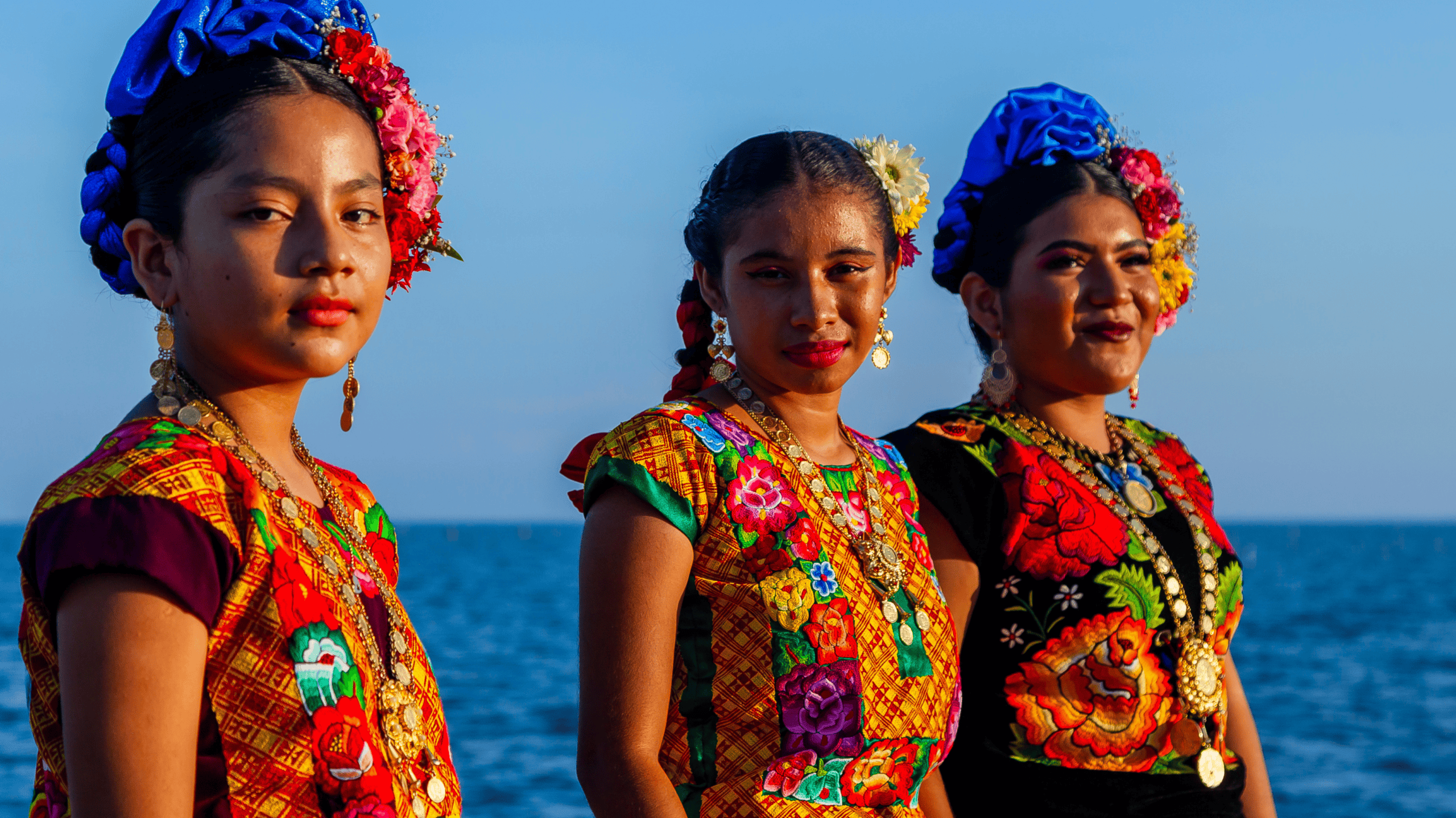
In Santa María Xadani, a Zapotec community in Oaxaca, Mexico, marriage has long been treated as a deeply symbolic rite of passage—one that, for many girls, arrives far too early.
But four girls dared to imagine something different.
Abril, Erandi, Selene, and Tonantzi, together with their mothers and supported by The Hunger Project-Mexico, began inviting other girls in their community to join them in a circle of trust and support.
Inside these circles, the girls built confidence in themselves and in each other, learned tools for self-care and collective care, and discovered new ways of thinking about their own leadership and worth.
Slowly, they have grown more confident in questioning a future that once felt fixed and unchangeable, choosing instead to imagine one they shape for themselves.
Leading Toward a Better Harvest
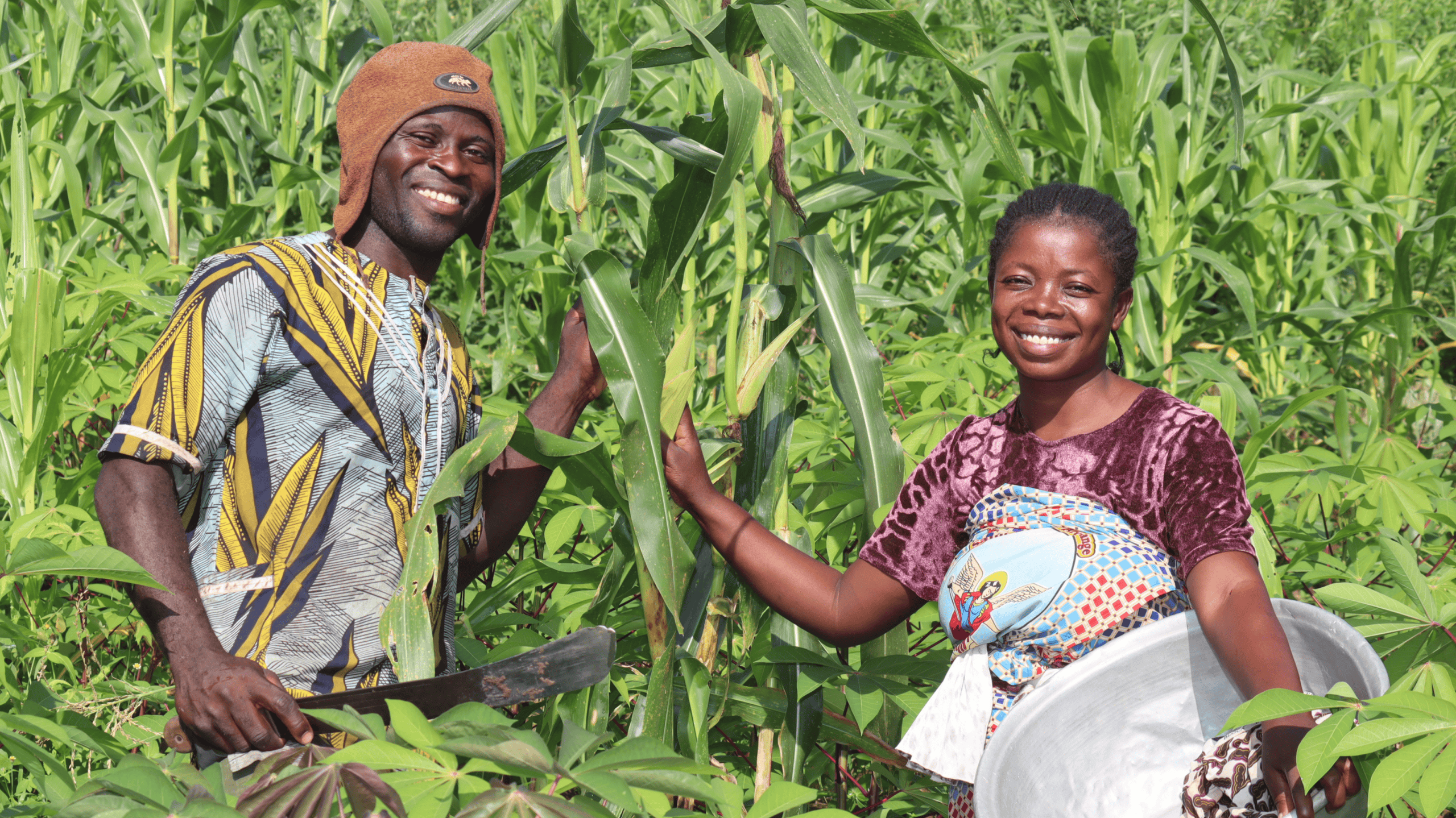
Alexis is a young agricultural entrepreneur from the village of Davi Zogo, a partner village of the Ouissi Epicenter. Along with his wife, Constantine, he is helping show how rural youth can lead more resilient, informed and productive farming futures through the Youth for Resilient Communities (Y4CR) project, implemented by The Hunger Project-Bénin.
Before, Alexis practiced agriculture in an artisanal manner. He did not always know when to sow or which varieties to choose to obtain good yields. Through Y4CR, Alexis strengthened his ability to better understand his field, preserve soil fertility, and adopt useful crops to enrich the soil.
Localized weather messages from IGNITIA, a tropical weather forecasting service designed for smallholder farmers, have also transformed the way Alexis plans and leads his work in the field.
“If a probability of rain is announced for the day after tomorrow, then I do my sowing on that day,” Alexis explains.
Through their journey, Alexis and Constantine show how young farmers can become agents of change through training, information, and agricultural innovation.
Across these stories, one message is clear: young people are already leading change in their own communities. They are strengthening food systems, building livelihoods, and shaping the decisions that affect their lives. Young people everywhere share a common aspiration: to live with dignity, exercise their voice and help shape their futures.
The Hunger Project’s role is to walk alongside this leadership by helping expand access to training, information, networks and opportunities. This International Youth Day, we continue to support the conditions for young people, especially adolescent girls, to lead with confidence, make informed choices and thrive.
Photos: Peru, 2025; Benin, 2025; Malawi, 2025; Ghana, 2026, Mexico, 2024; Benin 2025 © The Hunger Project