Weaving a New Future in the Yánesha Forest
In the Pasco region of Peru, where sacred mountains meet the Amazon, a group of women from the Indigenous Yánesha people are turning seeds, feathers, and fibers into something far greater than jewelry. They are weaving cultural pride, shared income, and a future shaped by their own hands.
Rooted in Ancestral Wisdom
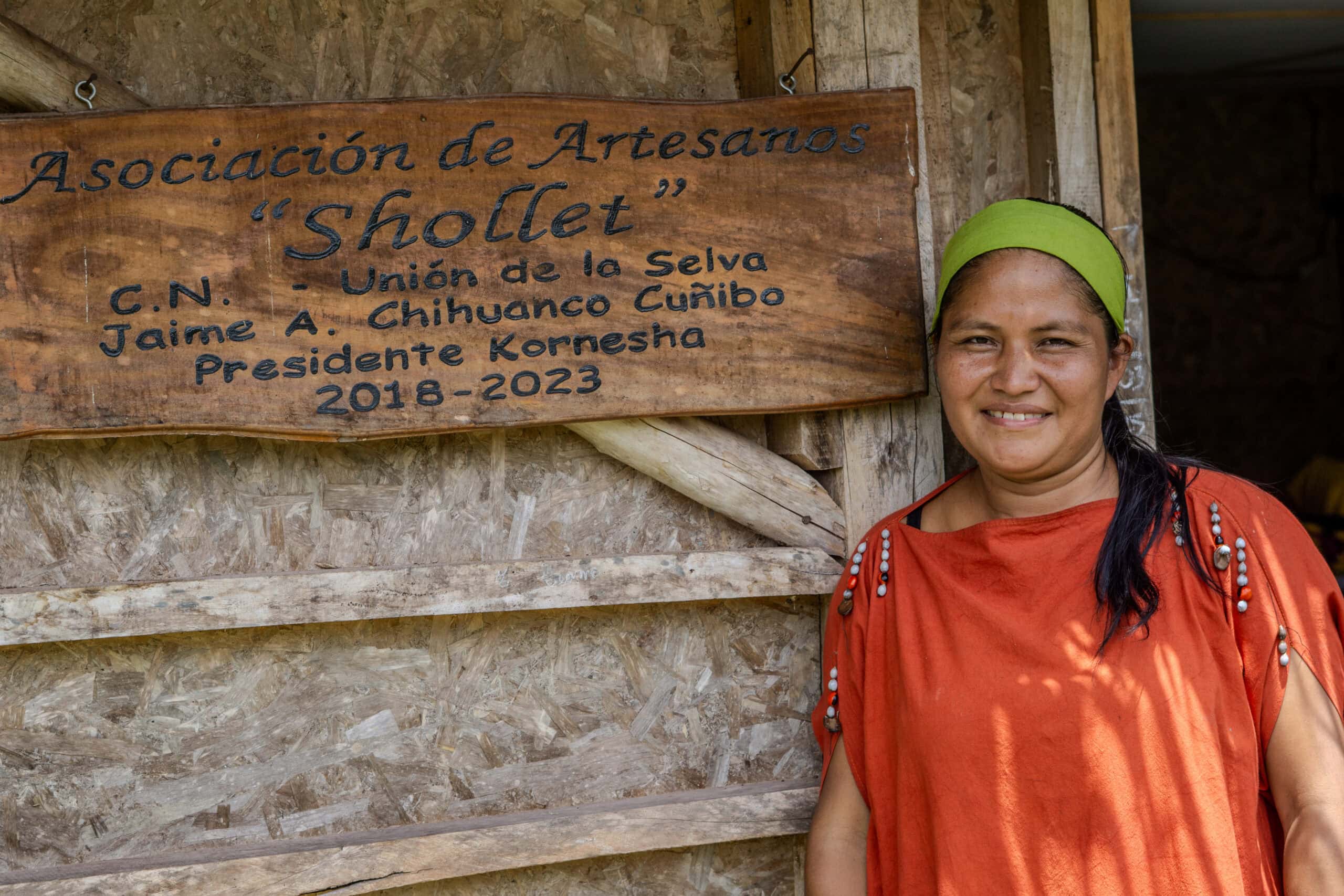
At the heart of this work is Maritza, a 33-year-old artisan from the community of Unión de la Selva. Alongside her neighbors, she is part of an artisans’ association named Sho’llet, the Yánesha word for the ancestral spirit known as the “Queen of the Colored Snails,” a divine entity tied to the sacred mountains and forests her people have called home for generations. The association’s name was a deliberate choice. Like the Queen herself, the women of Sho’llet guard beauty, sacred territory, and knowledge passed down from their mothers and grandmothers.
Threads of Community Self-Reliance
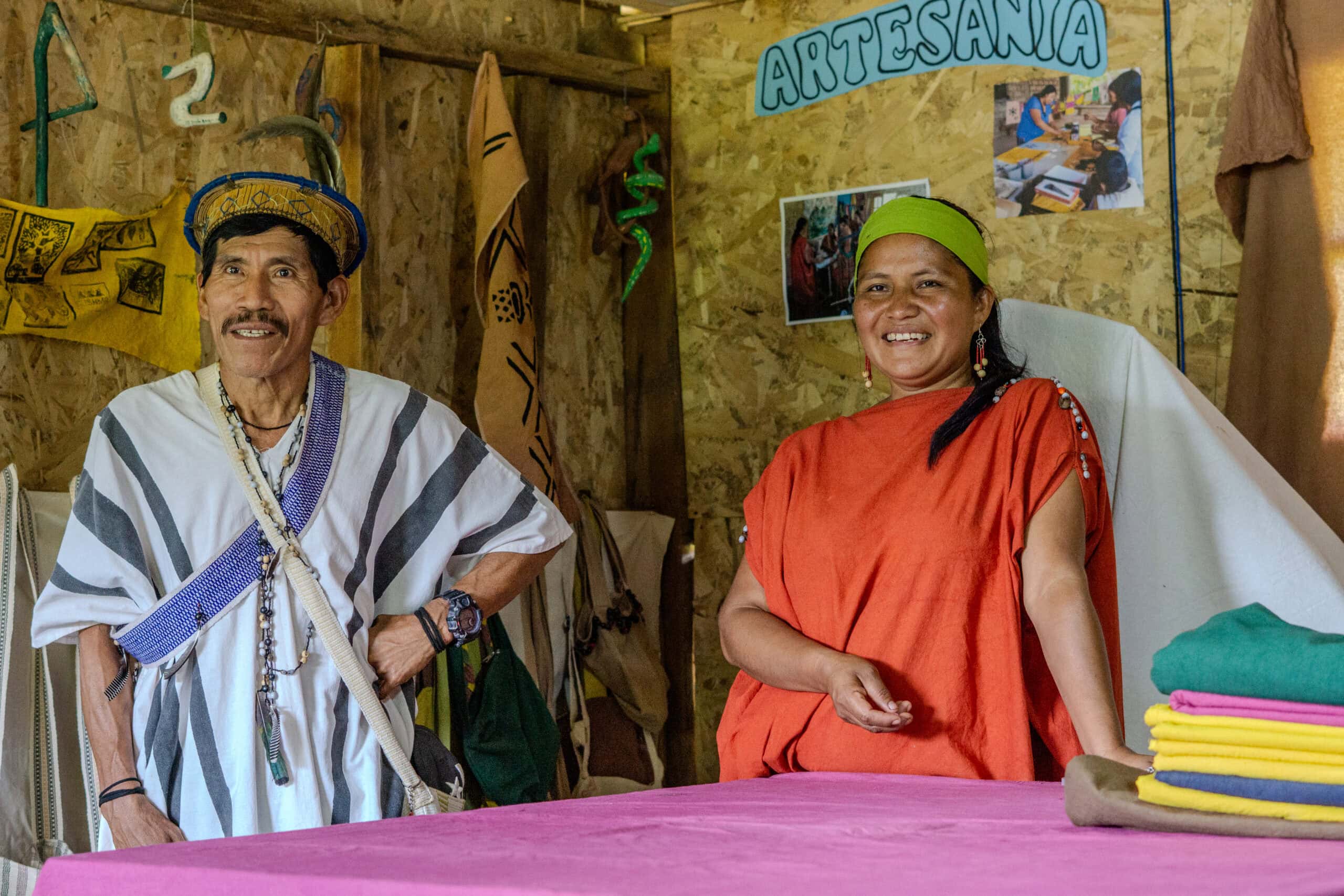
Necklaces, earrings, and woven items that Maritza and the Sho’llet artisans create come entirely from what the forest offers. Local seeds, feathers, and natural dyes become the raw materials of a livelihood that respects the land around them. Together, the women have worked to standardize their techniques, source materials sustainably, and strengthen how they bring their crafts to market.
It is a community project in the truest sense. The artisans design, produce, market, and sell together. The income they generate flows back into their households and community, supporting families and reinforcing the social fabric that makes Unión de la Selva strong.
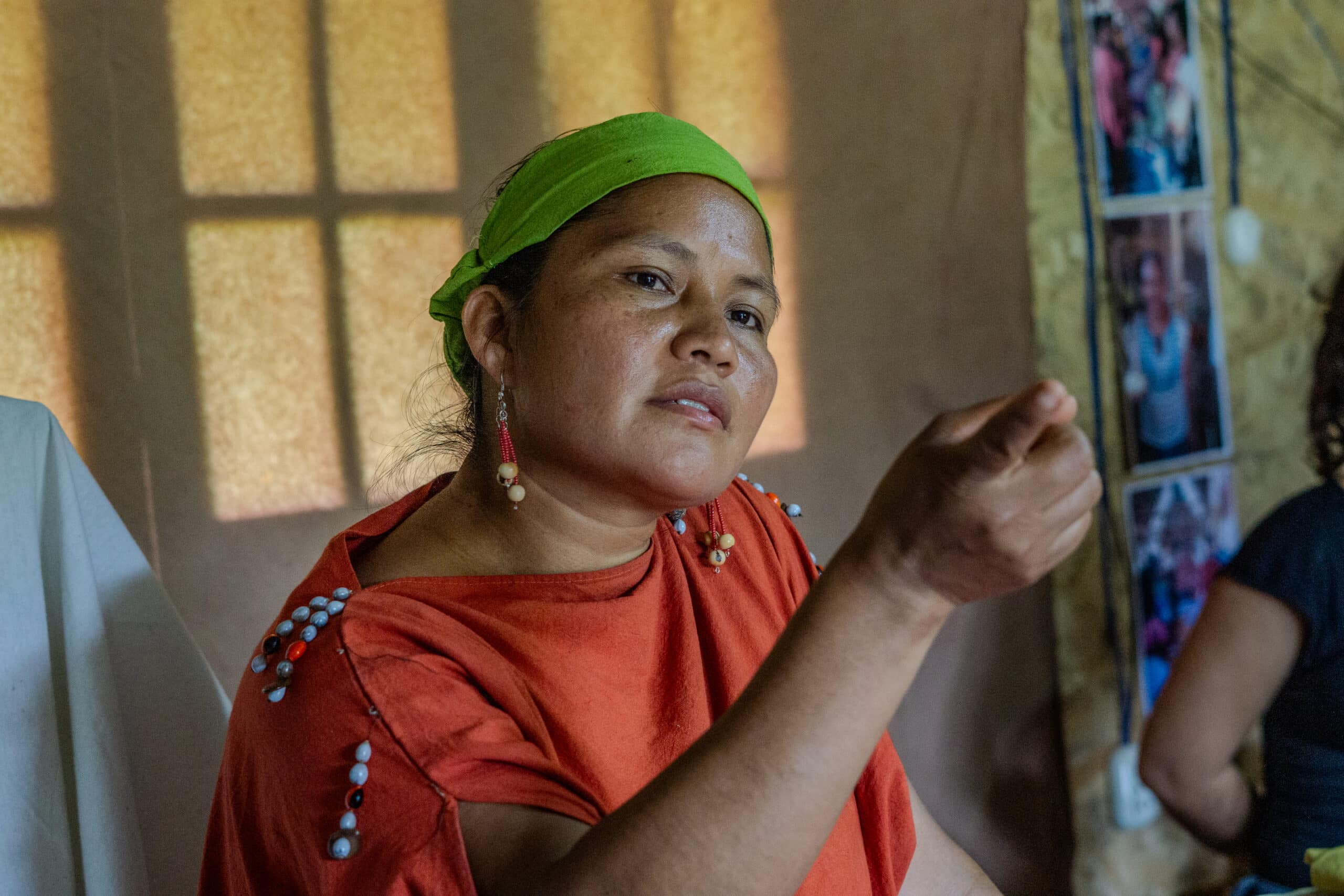
Maritza’s contributions reach beyond the craft table:
- She is part of the community’s traditional gastronomy initiative, a women-led collective that prepares dishes from yuca, plantains, and paco fish to share at local events and sell as a source of income.
- She helps protect the territory’s biodiversity, including through a seed bank that stores and exchanges native varieties of corn, beans, and peanuts, helping safeguard food sovereignty for generations to come.
For Maritza, these are not separate activities. They are threads of the same cloth: a vision of a community that nourishes itself, tells its own story, and decides its own future.
Community-Led Development in Action
The Hunger Project’s partner in Peru, CHIRAPAQ, the Center for Indigenous Cultures of Peru, accompanies the people of Unión de la Selva as they design and lead this work. CHIRAPAQ provides training, coordination, and resources where needed, then steps back so the community remains in the lead. The result is a model of community-led development that blends ancestral knowledge with practical tools and positions women like Maritza at the center of decision-making.
This is what self-reliance looks like. Not aid arriving from the outside, but local leaders activating the talents already present in their community.
Sho’llet is more than an association.
Its is a statement that Yánesha women are writing the next chapter of their own story, one in which culture is not preserved behind glass but lived, worn, and shared.
Every necklace strung from forest seeds declares that this territory’s knowledge belongs to its people, and that it has a future.
This is the power of true partnership with Indigenous communities: standing alongside women like Maritza as they lead lasting, community-driven change rooted in ancestral knowledge.
Photo credits for images above: Peru 2025. All photos are for The Hunger Project.