A Super El Niño is underway and it is expected to last into early 2027. The UN World Food Program estimates it could push at least 49 million more people into acute food insecurity by the end of 2027. In Southern Africa, it arrives as farmers prepare for the planting season.
What is El Niño, and why does it reach so far?
El Niño is a natural climate pattern that begins in the Pacific Ocean. Trade winds weaken, and warm surface water spreads east toward the Americas. That warmth changes winds and rainfall around the world. Some regions dry out, others flood, and growing seasons that families have planned around for generations fall out of rhythm.
Farming families have always planned around the rhythms of rain and harvest. When those rhythms change, preparing early helps them protect what they can.
Hunger begins in the soil.
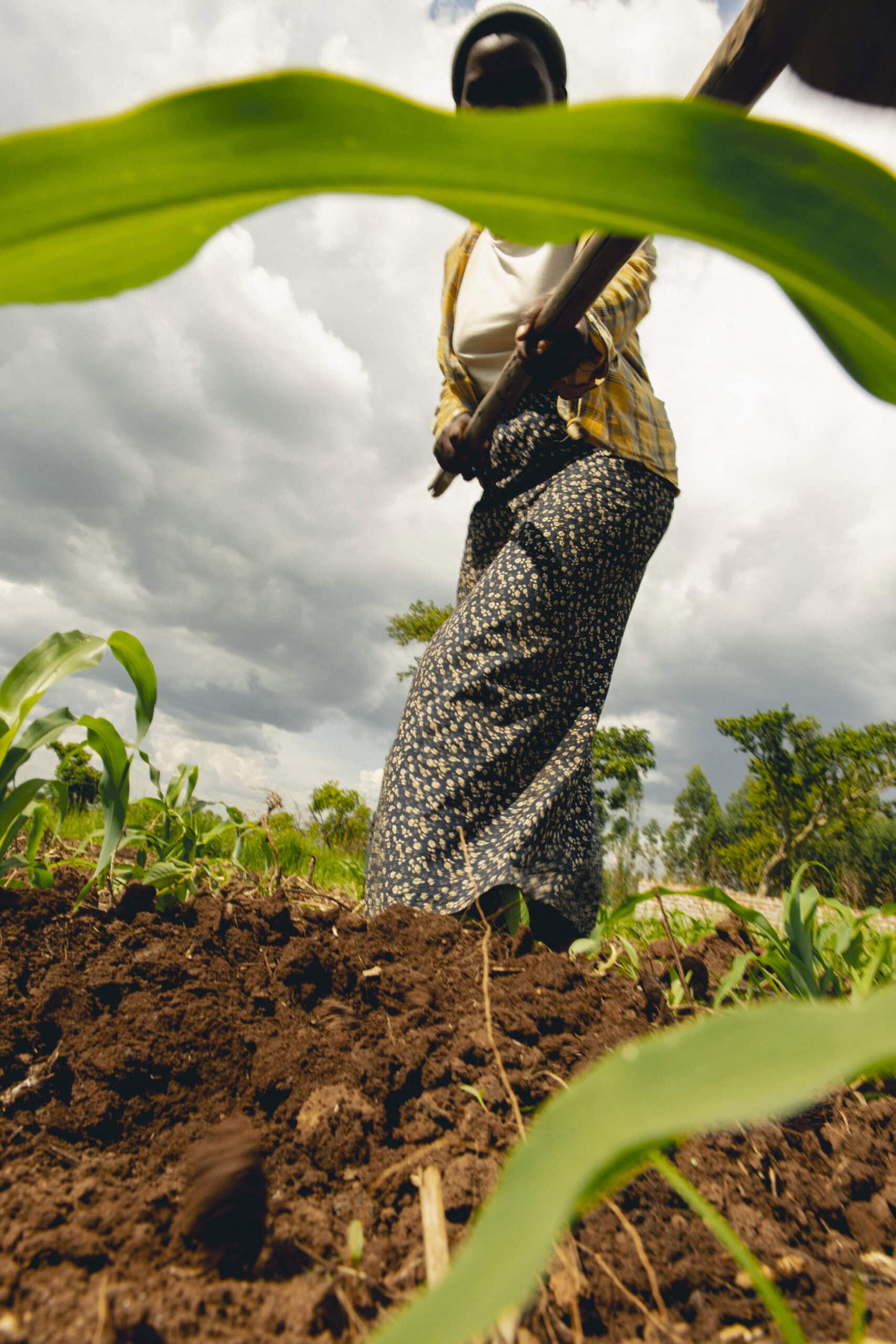
Ask the average person to picture hunger, and they’ll picture an empty plate. For the communities we partner with, hunger usually starts in their environment. It starts in soil that won’t hold water, a well that runs dry early, or a market price that doubles after a poor harvest. That is why hunger is part of the environmental crisis, and why local leaders who know their fields and seasons are best positioned to respond.
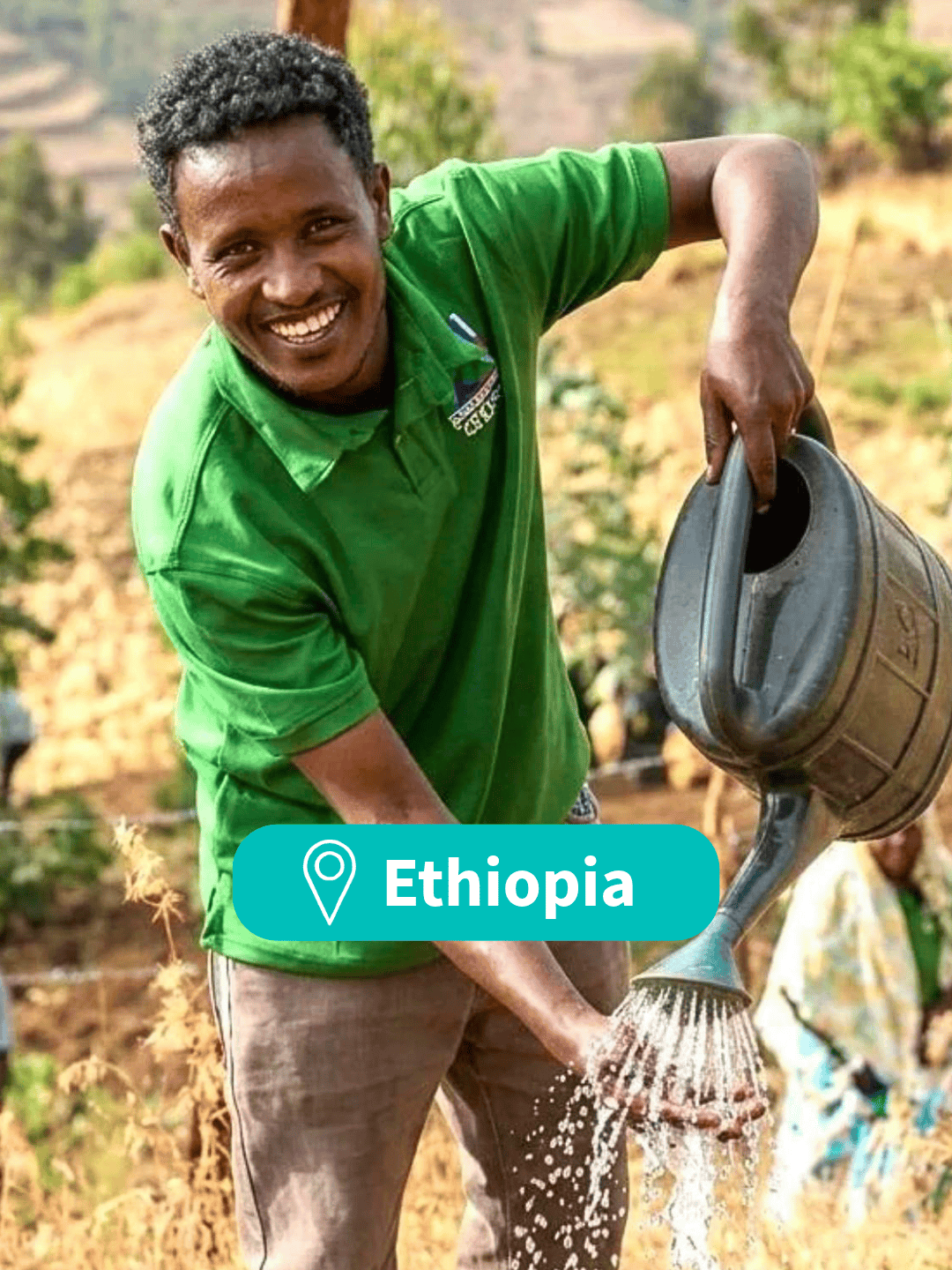
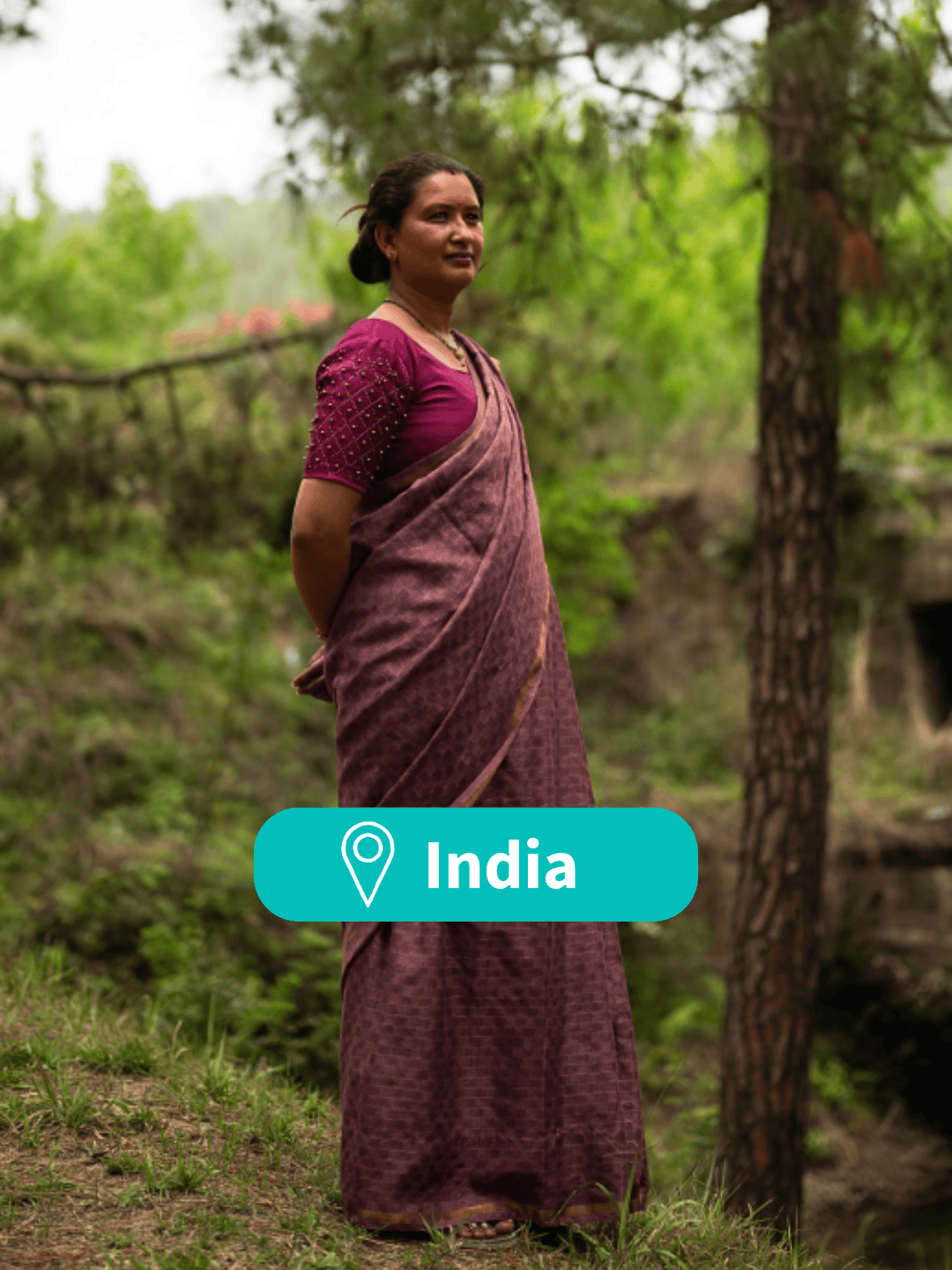
Preparing for El Niño is part of the fight to create a world without hunger. From East and Southern Africa to South Asia, local leaders and communities are building climate resilience into the way they grow food, earn income, and make decisions together.
Here is what preparation looks like right now.
What is this moment asking of us?
Since 1977, our work has been grounded in a simple conviction: hunger is not inevitable, and ending it is a job for all of us. El Niño—a single ocean pattern that reshapes weather and food security worldwide—shows how deeply our world is connected and why investing directly in the local leaders rewriting their communities’ future matters.
Support the leaders already ahead of the storm.
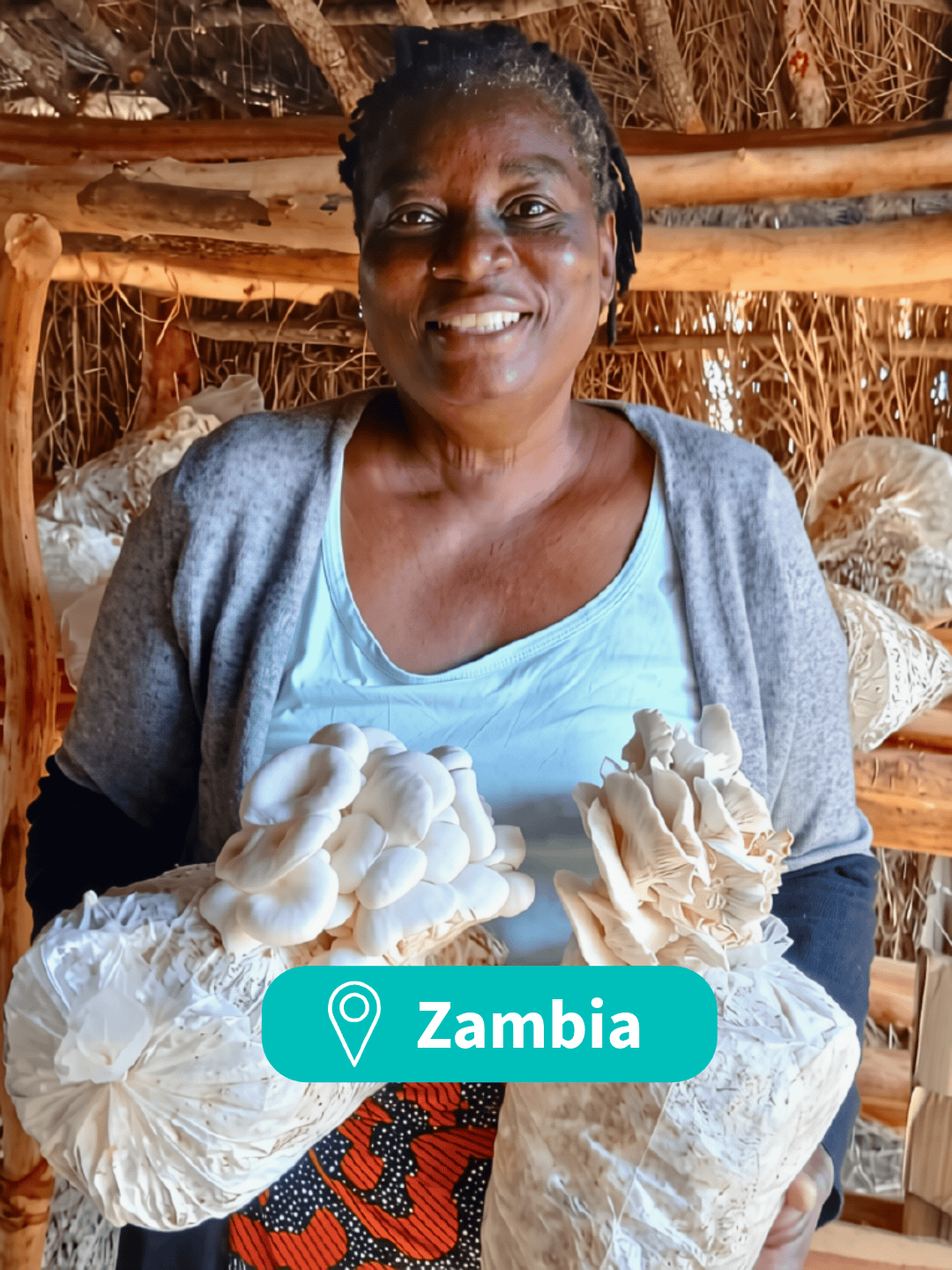
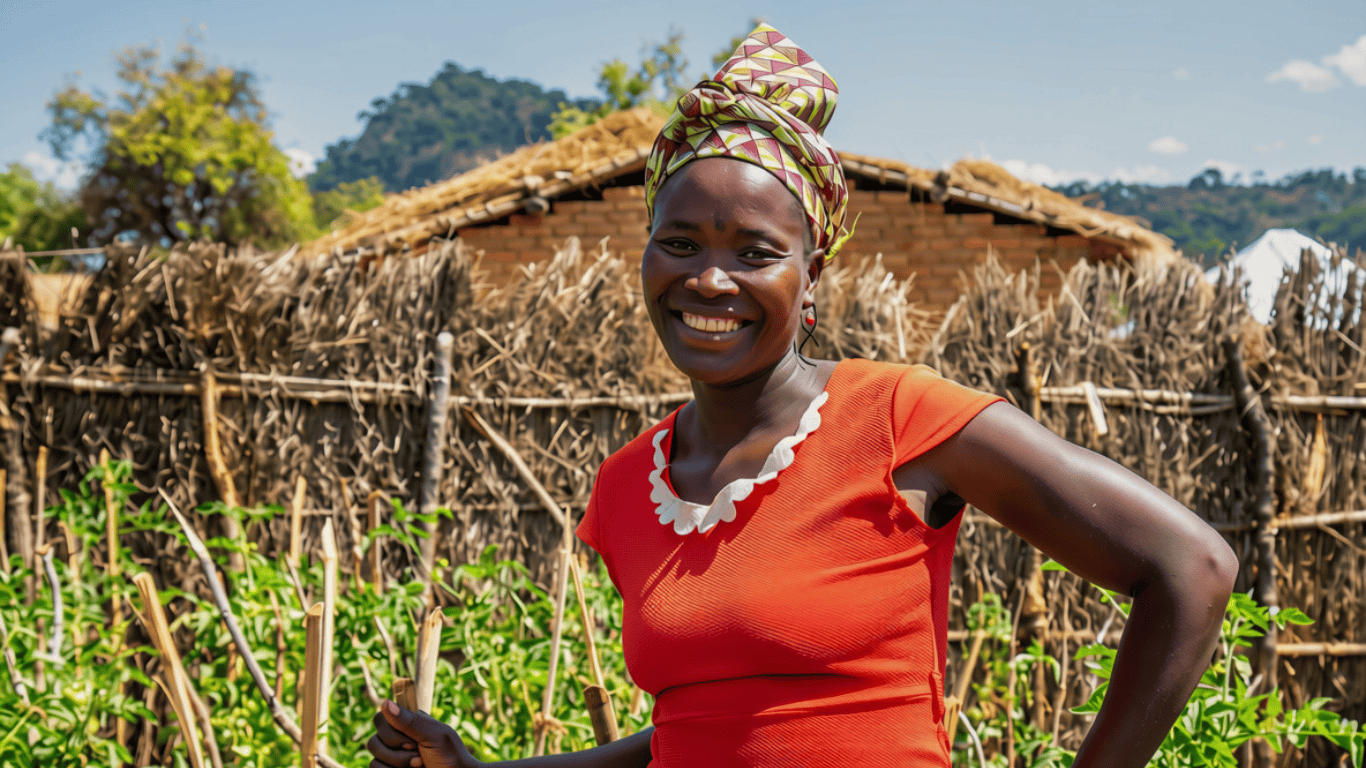
Climate resilience is not built in the midst of an emergency; it is built in village council meetings, mushroom storage rooms, and restored watersheds long before the rains fail. Partner with communities turning preparation into lasting change.
Creating a world without hunger by investing in communities.